Urban Agriculture
Urban agriculture is about more than growing food. It is about restoring our relationship to land, culture, and one another. We grow food to support our Community Markets and Cooking Outreach programs and provide educational opportunities for children, youth, and adults.
Garden Outreach & Education
We offer hands-on educational urban agriculture presentations and workshops to community gardens, organizations, schools, and groups in our garden site and out in the community.
We also connect gardeners to resources and collaborate with the City of Saskatoon to maintain existing gardens and to start new ones. Each garden is managed by a collective of volunteers who organize all aspects of the garden. Community Gardens can be contacted via Community Gardens Map.
In the winter months, our Garden Club brings gardeners and non-gardeners alike together in a space for learning and sharing, addressing isolation and helping ease seasonal/mental challenges by hosting workshops around our shared interest in food, nature, gardening, and art.
Our Growing & Learning Space
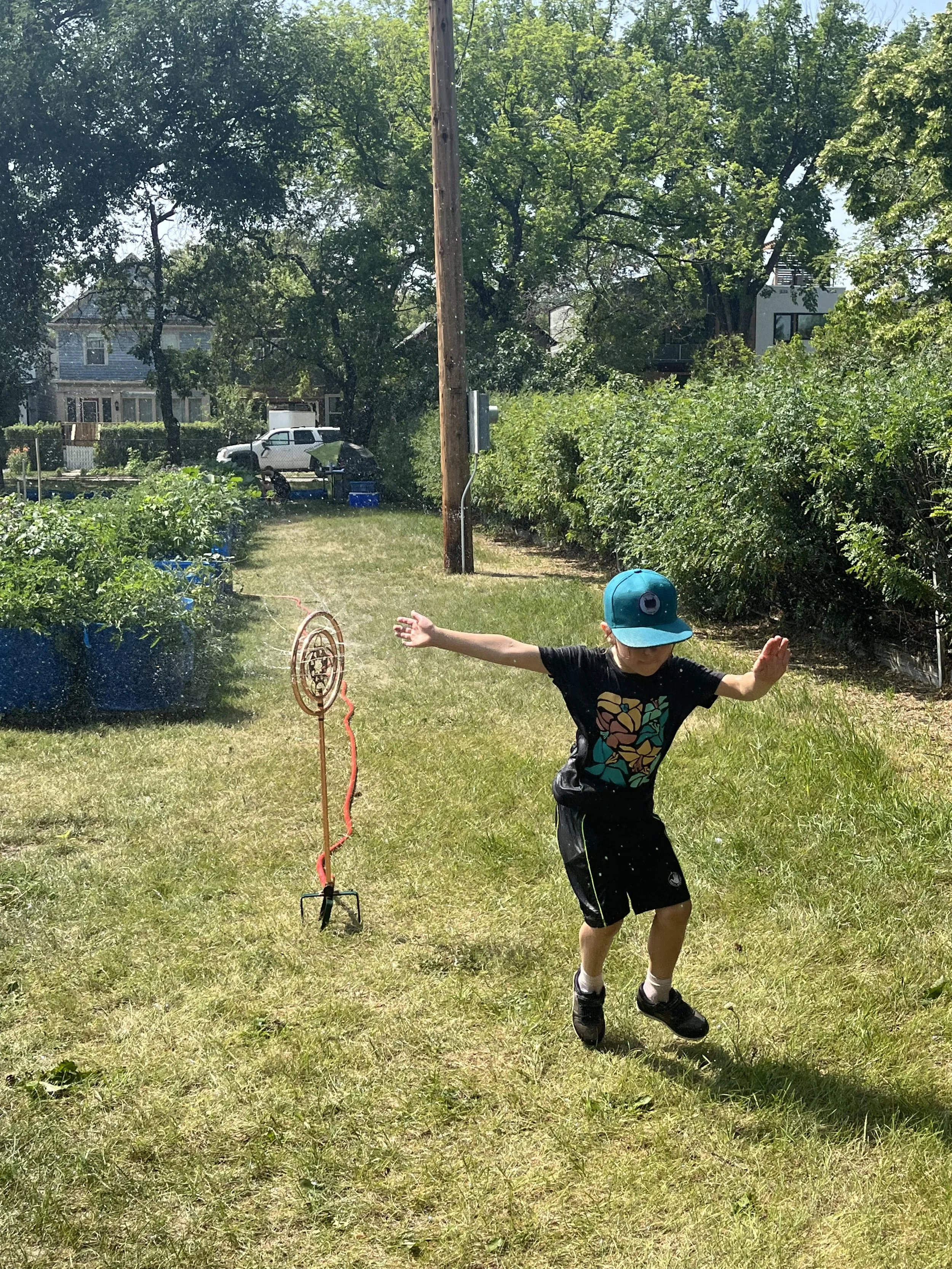
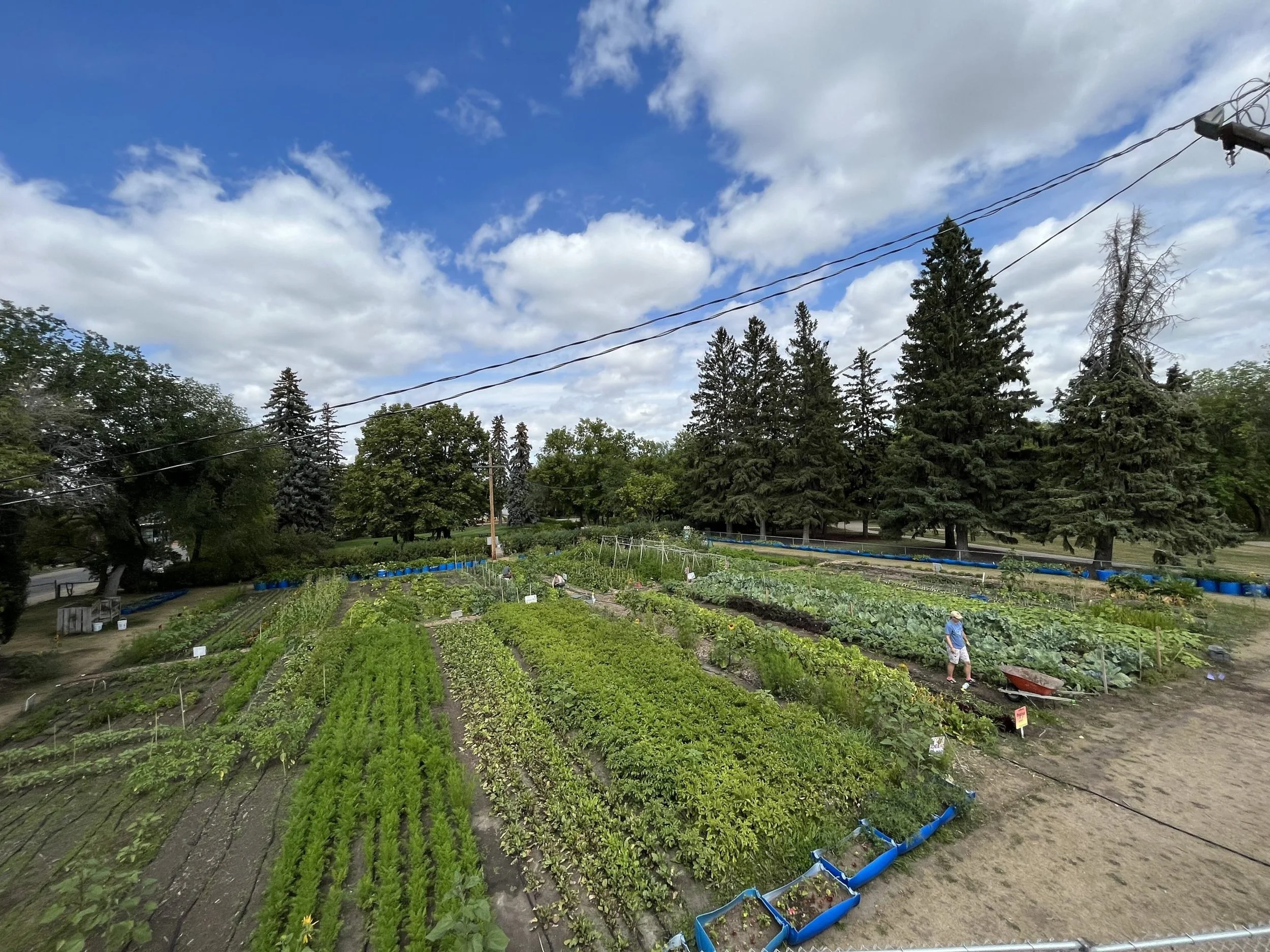
We host an urban agriculture education and demonstration garden called ketayak community kistikana which means Elders Community Garden in northern Michif. This garden is a former lawn bowling site in Victoria Park (on Ave H South), bordering the core neighbourhoods of King George and Riversdale. The site hosts various CHEP programs and grows food, flowers and herbs used in CHEP’s programming and sold and gifted in the community.
The askîy project
This program is a Canada Summer Jobs youth internship that is both a part-time summer job and a learning experience. Interns help with growing food, support CHEP Sprouts Day Camp, work with volunteers, and take part in workshops, mentorships, excursions, and cultural activities. Its five key focus areas are:
growing food and food skills
enhancing cultural connections
promoting environmental sustainability
developing employment readiness skills
engaging youth

Seed Exchanges
We host seed exchange events throughout the year to strengthen local food security, promote seed-saving, and increase equitable access to gardening resources across our city. These events exist within a larger national movement and play an increasingly vital role in preserving local, sustainable food systems.
Saskatoon Seedy Sunday: This long-standing gathering brings together seed vendors, urban agriculture exhibitors, community organizations, and environmental presenters in one vibrant space. A cornerstone of the event is the community seed exchange table, where participants can swap and share seeds.
Saskatoon Seed Exchange: Hosted in partnership with the Saskatoon Public Library at multiple branch locations, these exchanges typically take place in February, March, or April and are listed on the Library’s events guide.
CHEP Sprouts Day Camp
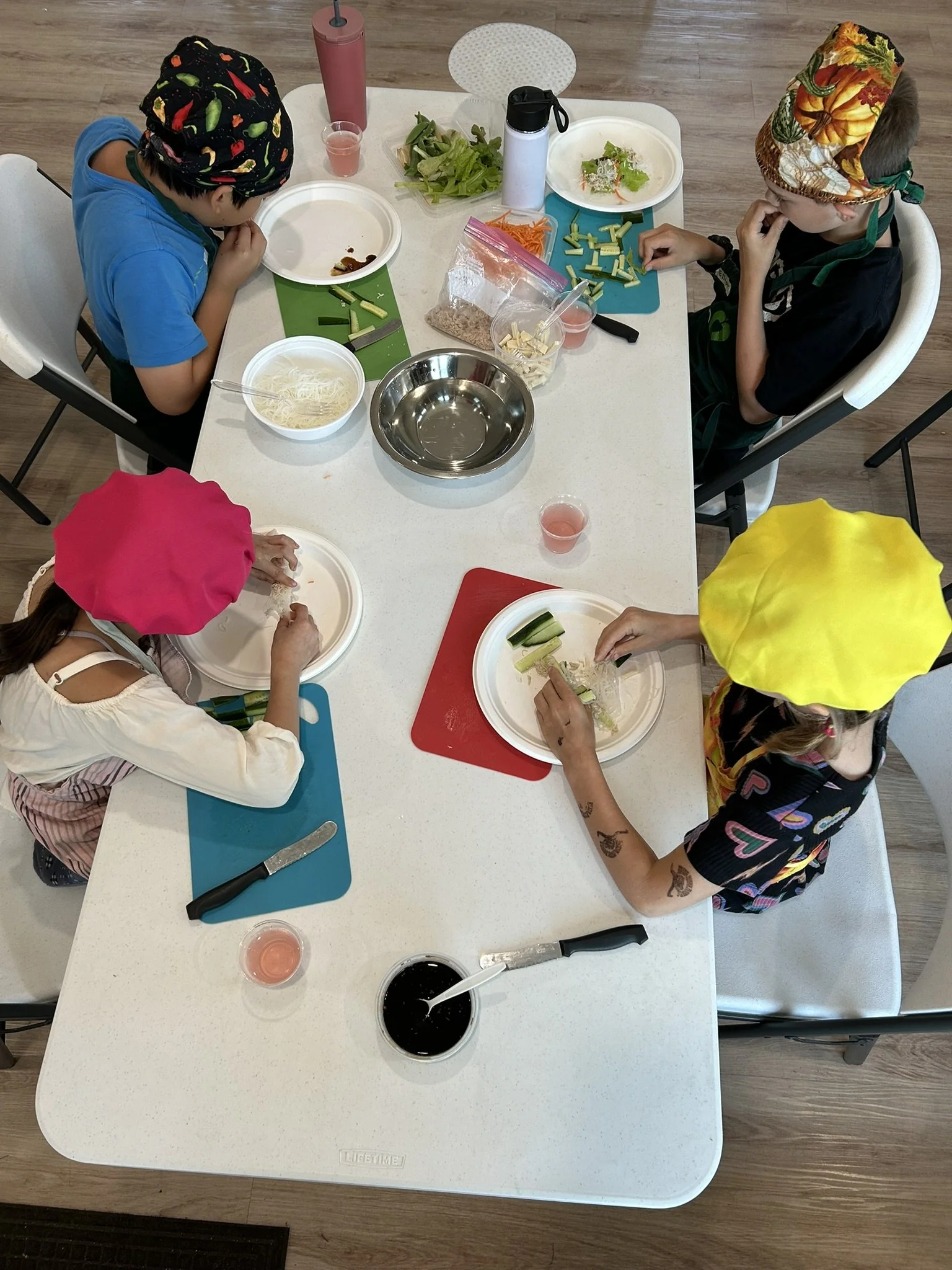
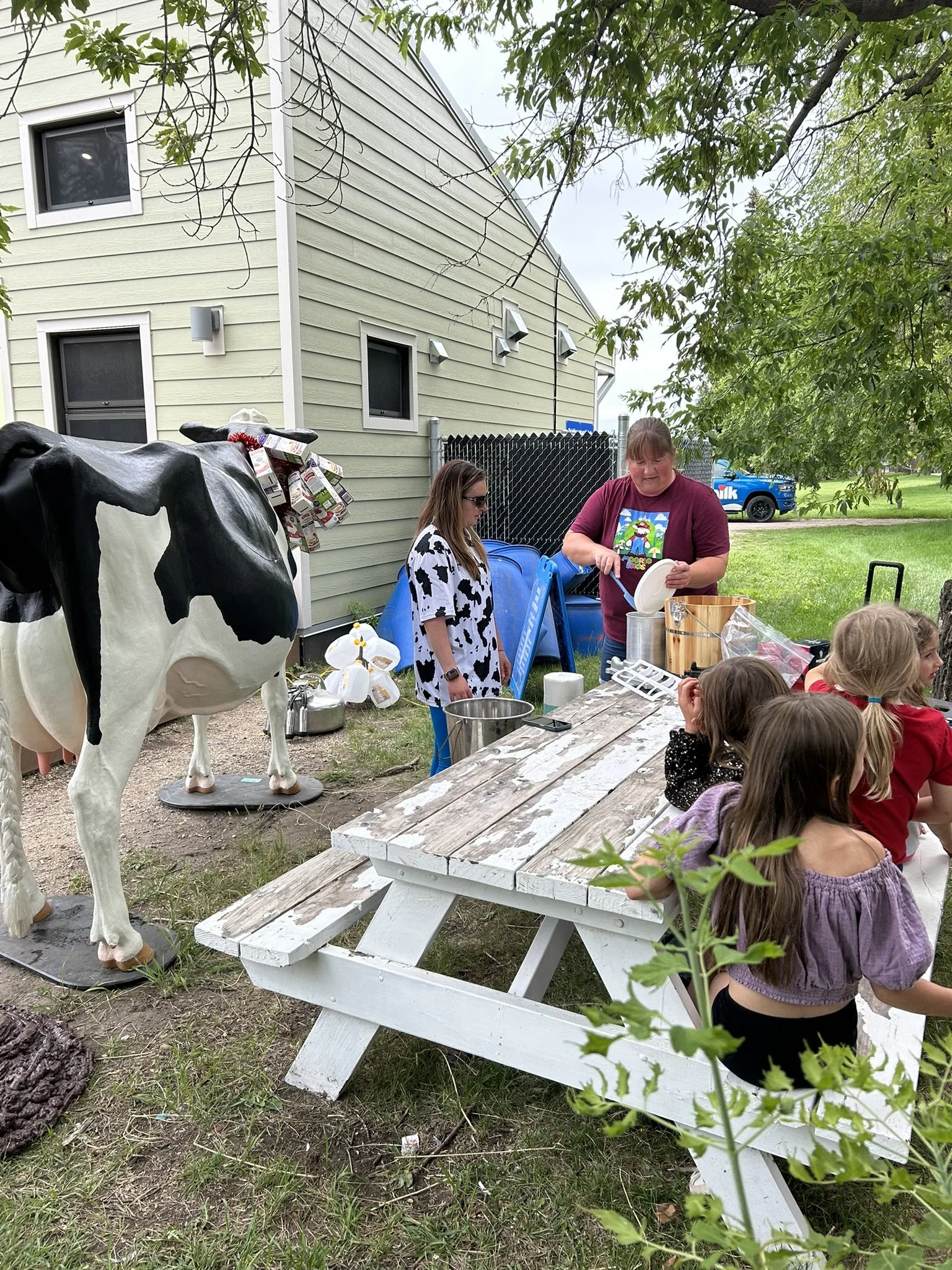
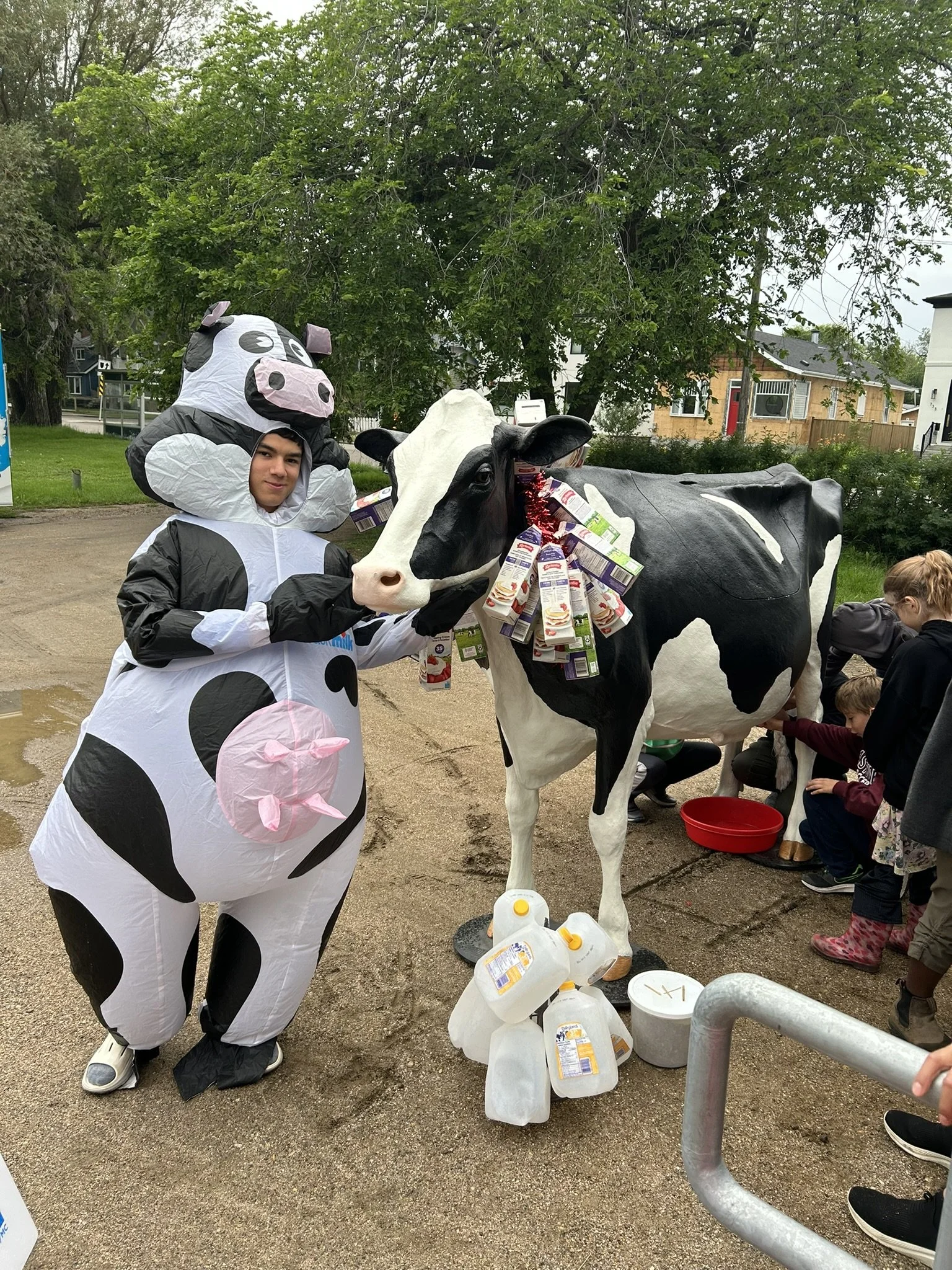
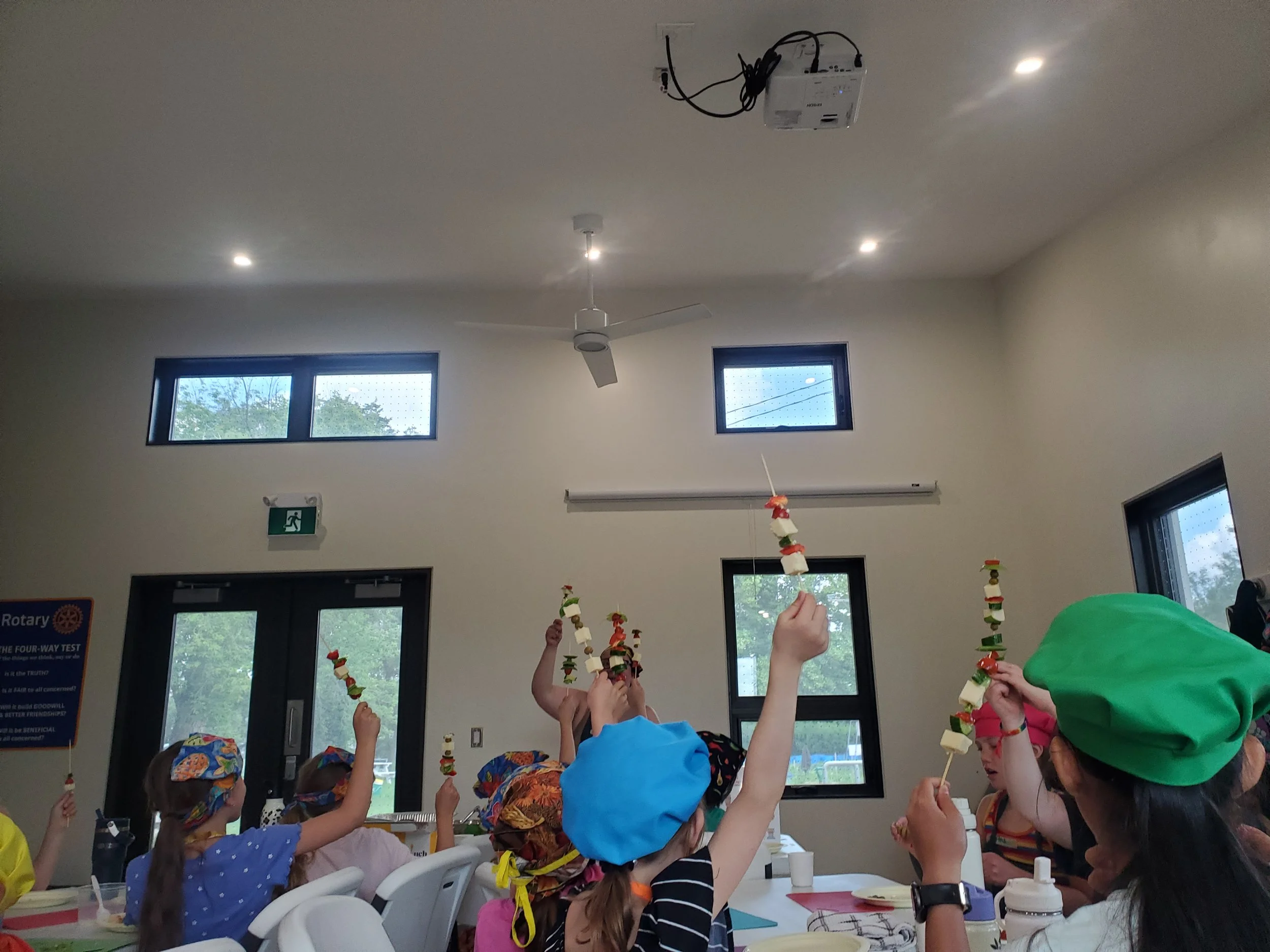
This summer camp is an opportunity for children and youth ages 7-12 to engage in outdoor, experiential learning and play through programming focused on gardening, cooking and exploring nature and community. Aptly called "Sprouts," we plant ideas and practices about food and gardening that we hope will sprout and grow with children into adulthood! This 4-day camp involves:
Gardening chores and activities
Preparing their own lunches with veggies/herbs harvested from the garden
Enriching community-based activities with local community partners
CHEP Sprouts Day Camp is the only camp of this nature offered in Saskatoon. It is an excellent demonstration of the garden-to-plate concept of eating in our food system and is an enriching, hands-on learning opportunity for children.